Implementing Strategy to Improve Lead Quality and Reduce Data Risk

Role: Project Lead – Marketing Operations, Compliance Integration, Automation Architecture
Timeline: Multi-quarter compliance rollout
Scope: Global privacy policy → Regional execution (North America)
Executive Summary
When the company adopted a new global privacy policy, American sales teams struggled to stay compliant because:
- Tradeshow lead scanners were not compliant
- Business card exchange was not compliant
- Verbal consent was not compliant
- 3rd-party lead lists lacked required consent metadata
Without a compliant path, sales could not legally email or nurture leads.
I designed a multi-track, fully compliant lead funnel with built-in automations that ensured every contact had verifiable opt-in, proper consent metadata, and CRM integration.
This became the foundational compliance model used across marketing and sales systems and later influenced the WordPress → AEM migration.
The Business Problem
- New global privacy policy required explicit opt-in
- Existing sales methods relied on implicit or verbal consent
- No centralized audit trail for consent
- Lack of unified funnel for website, events, or content engagements
- No mechanism to retroactively get consent from existing leads
- Compliance was non-negotiable — “good intentions” were not enough
- Sales teams were resistant due to added friction
Role & Ownership
Funnel Design & Privacy Architecture
- Built a two-track compliant funnel
- Ensured both tracks produced verifiable consent records
- Collaborated with legal/governance to ensure alignment with GDPR, CCPA, LGPD
Automation Engineering
Built end-to-end automations that:
- Logged consent metadata
- Updated Excel databases
- Synced contacts to Salesforce
- Triggered internal notifications for Sales
- Ensured no marketing emails were sent without verified opt-in
Website & Form Compliance
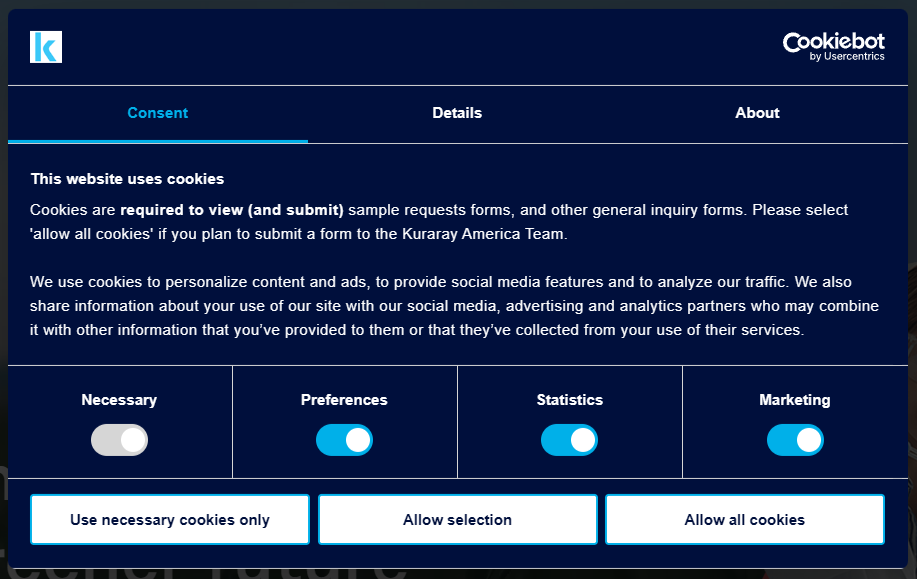
- Reworked website cookie consent UI for clarity
- Updated all regional web forms with explicit opt-in language
- Ensured compliance with global policy AND regional expectations
- Implemented form routing rules into Salesforce
FlippingBook Consent Track
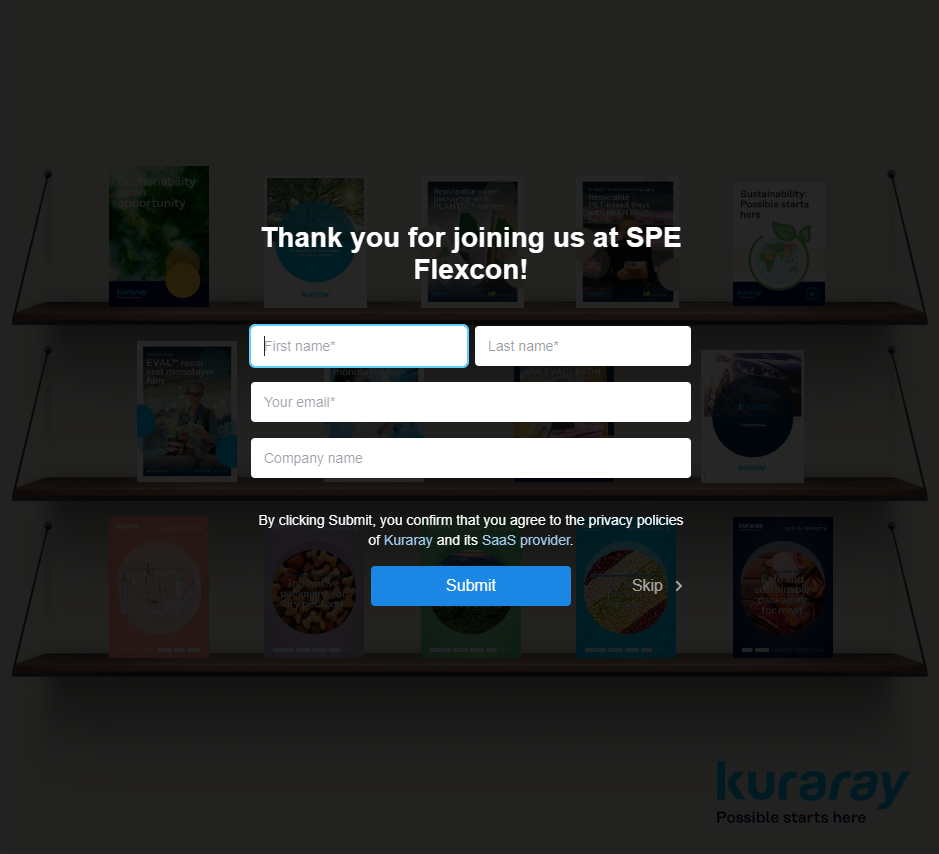
- Designed a user journey in FlippingBooks where customers:
- Viewed content
- Saw the privacy banner
- Explicitly agreed to the new policy
- Captured consent metadata and piped it into Excel + Salesforce
Cross-Functional Governance
- Trained sales teams on compliant behavior
- Worked with governance teams to align policy interpretation
- Partnered with IT for website integrations
- Led communication about the policy changes
Migration Support to AEM
- As the company transitioned from WordPress → AEM:
- Created compliant Salesforce-connected form templates
- Designed backend logic for consent capture
- Provided governance requirements for future builds
- Created blueprint for migration, implementation still pending.
Project Plan & Process
Phase 1: Audit & Requirements Gathering
- Built an automated, multi-system invite engine
- Form submissions pushed into:
- Outlook confirmation messages
- Excel tracking sheets
- Asana task creation for follow-up
Phase 2: Funnel Architecture
Track 1: FlippingBook-Based Consent Capture
Built for:
- Tradeshow leads
- Business card exchanges
- Any offline interaction
How it worked:
- Sales rep gives customer a link to a FlippingBook resource OR Customer uses a mobile device on-site at events.
- Customer views content and sees a privacy banner
- Customer explicitly agrees to the policy
- Consent is logged and synced via automation to internal systems
- Sales can now legally send follow-ups
Track 2: Website Forms & Cookie Compliance
Built for:
- All inbound leads
- Downloads
- Contact forms
- Newsletter signup
Changes included:
- Updated cookie acceptance UI for clarity
- Modernized web forms with opt-in checkboxes
- Updated legal language
- Created Salesforce-connected forms for future AEM migration
- Ensured visibility into opt-in status across marketing and sales
Phase 3: Automation Workflows
Tools: Formstack, Power Automate, SharePoint/Excel, Salesforce
Automations handled:
- Consent validation
- Contact enrichment
- Duplication checks
- Cross-system data sync
- Updating master consent lists
- Email alerts to sales
- Blocking non-compliant records from marketing sends
Phase 4: Change Management & Training
- Creating educational materials
- Running training sessions
- Providing scripts for explaining the privacy policy to customers
- Creating a micro-hub FAQ for reps
- Designing “compliant workaround paths” for tradeshow situations
Phase 5: Overlap with AEM Migration
- Converted all requirements into AEM form logic
- Defined metadata rules
- Built specs for Salesforce integration
- Provided governance guardrails
- Designed the user flow for global navigation components
Results & Impact
Business Impact
- Reestablished the legal foundation of the entire email marketing ecosystem
- Protected the company from compliance violations
- Created validated customer lists for future campaigns
- Improved clarity and trust with customers
Operational Impact
- Reduced manual work by automating all consent handling
- Eliminated ambiguous lead statuses
- Sales now had clear, compliant paths to nurture leads
- Reduced dependency on 3rd-party scanners
Strategic Impact
- System became the baseline architecture for future compliance needs
- AEM migration was able to adopt your structure
- Marketing regained the ability to send campaigns without legal risk
Lead Compliance Tools